Reminiscing about his youthful summers in the Catskills, Jewish author and sociologist Phil Brown wrote of “a magic land, enveloped in a rich legacy and a rampant mythology.” The son of hoteliers, Brown cherished the Catskill Mountains – known colloquially as the “Jewish Alps” for its high preponderance of Jewish vacationers – as a transformative space in the 1950s and 1960s where “Jews were playing, vacationing, and relaxing at a time of fresh and piercing memories of the Holocaust.”1 The idyllic stretch of forests and river valleys that characterized the Catskills symbolized a golden age of American Jewish leisure. Reaping the benefits of postwar economic prosperity, many working-and-middle-class Jewish families could enjoy the American vacation experience for the first time. Yet in the history of American Jewish recreation, the Catskills are just one chapter of a longer story.
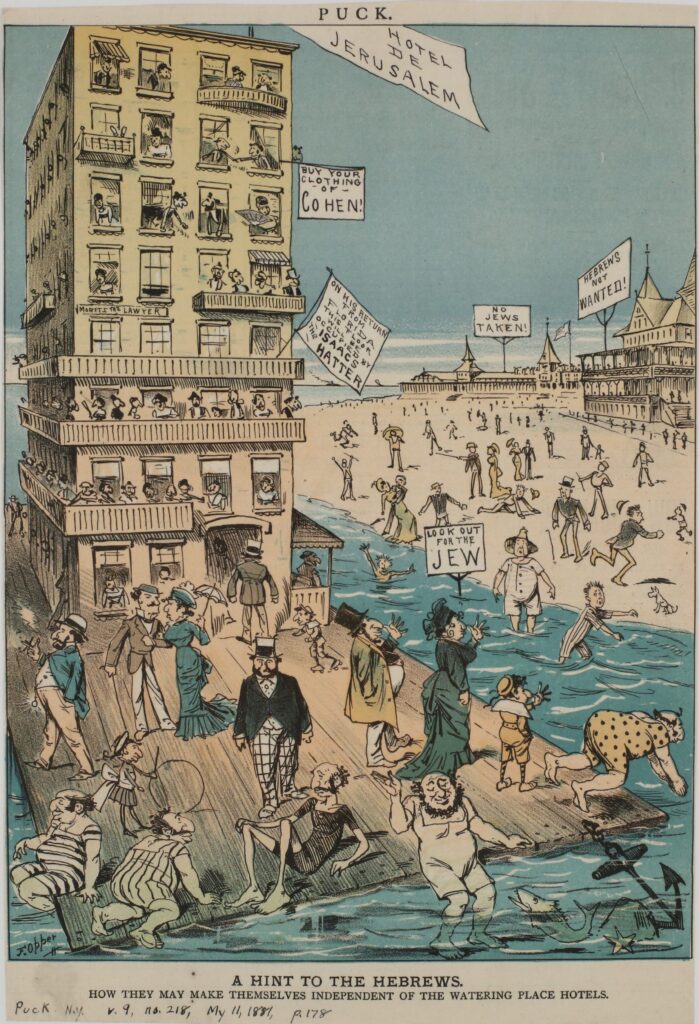
For much of the nineteenth century, when Jewish immigration to the United States swelled, vacationing remained a privilege of the wealthy. In cities across the country, social elitists ensured that “undesirable” immigrant groups and racial minorities who could not afford to travel would also face restrictions at home. Access to local parks, beaches, and other recreational sites were frequently reserved for white and Christian clientele. Jewish laborers looking for a break from long, grueling hours spent in New York City sweatshops encountered hostilities from local developers. Puck, a political humor magazine, depicted real estate tycoon Austin Corbin’s ban on Jewish patrons to Brooklyn’s Manhattan Beach in the 1880s with crude antisemitic caricatures. Corbin had objected not only to poor Jewish immigrants, but also wealthier Jewish clients whom he deemed pretentious and offensive.
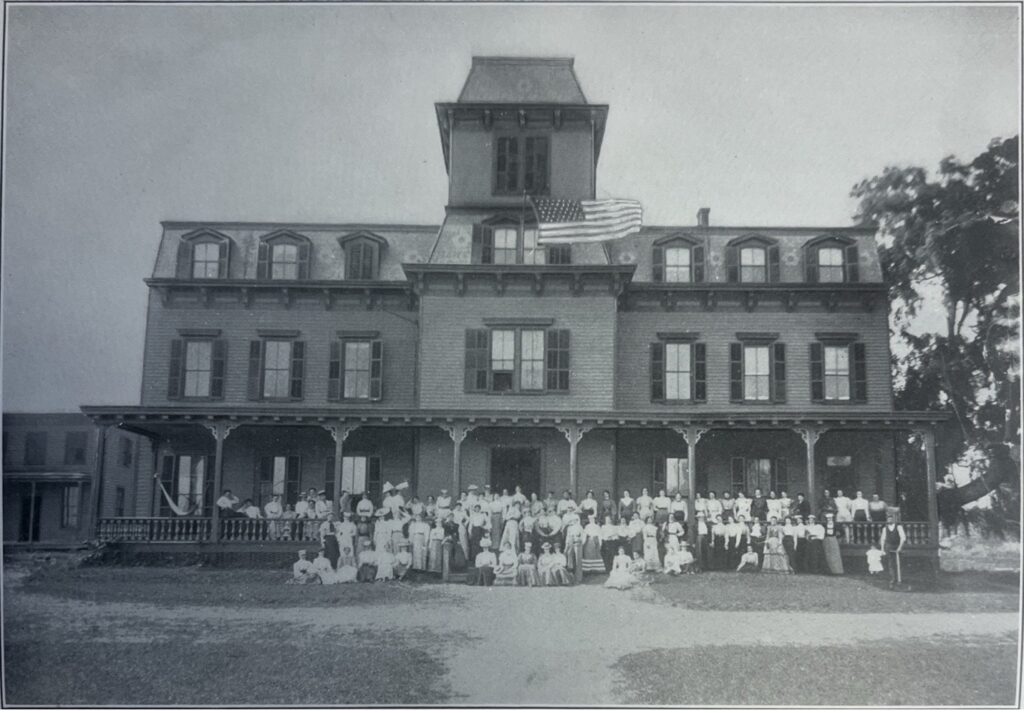
These exclusionary practices prompted Jews to build their own vacation communities, including those in the Catskills. Jewish investments in leisure blossomed at an opportune time between the 1890s and the early twentieth century, when hard-won labor reforms facilitated shorter working hours and America’s interest in “healthful living” surged. The Jewish Working Girls’ Vacation Society, established in 1890 by Selina Greenbaum, relieved Jewish women from the punishing factory conditions of the Lower East Side by providing two-week vacations at beach and mountain resorts for a small fee. In preparation for the summer season, the Society advertised its services in “sweatshops, factories, and club rooms.” In 1898, Greenbaum rented a seaside vacation house in Bellport, Long Island, where she accommodated over 500 women annually by 1900. “Girls came to enjoy the free, open life, the cool breezes of the Great South Bay,” she reported, “and all the health-giving pleasures which it is our aim to provide for our guests.” Like other health proponents of the era, Greenbaum emphasized exposure to fresh air as a corrective to the smog-filled cities that accompanied American urbanization.
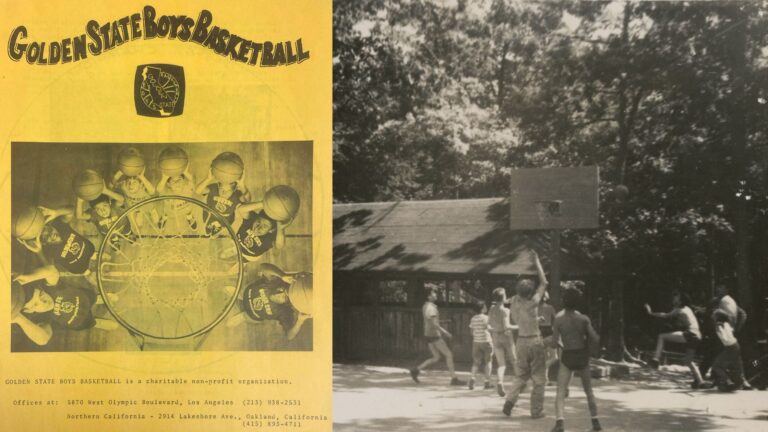
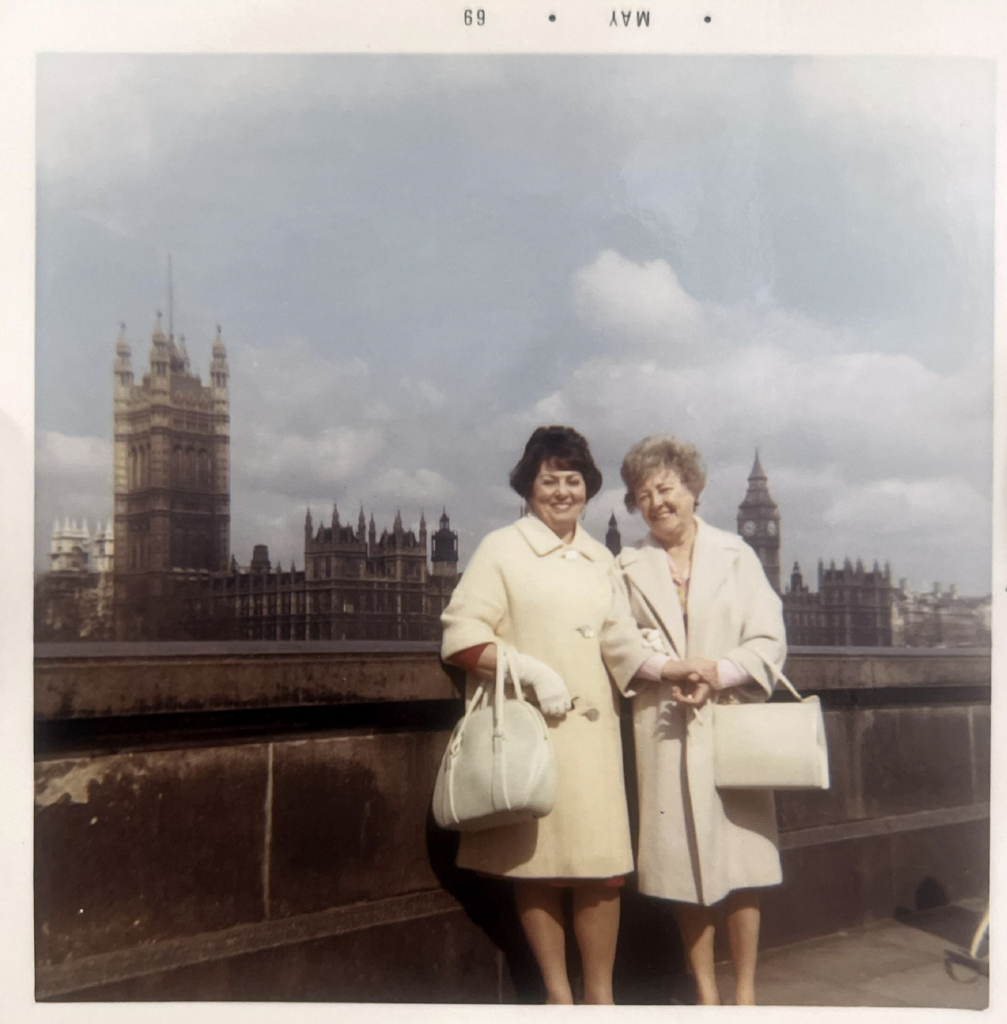
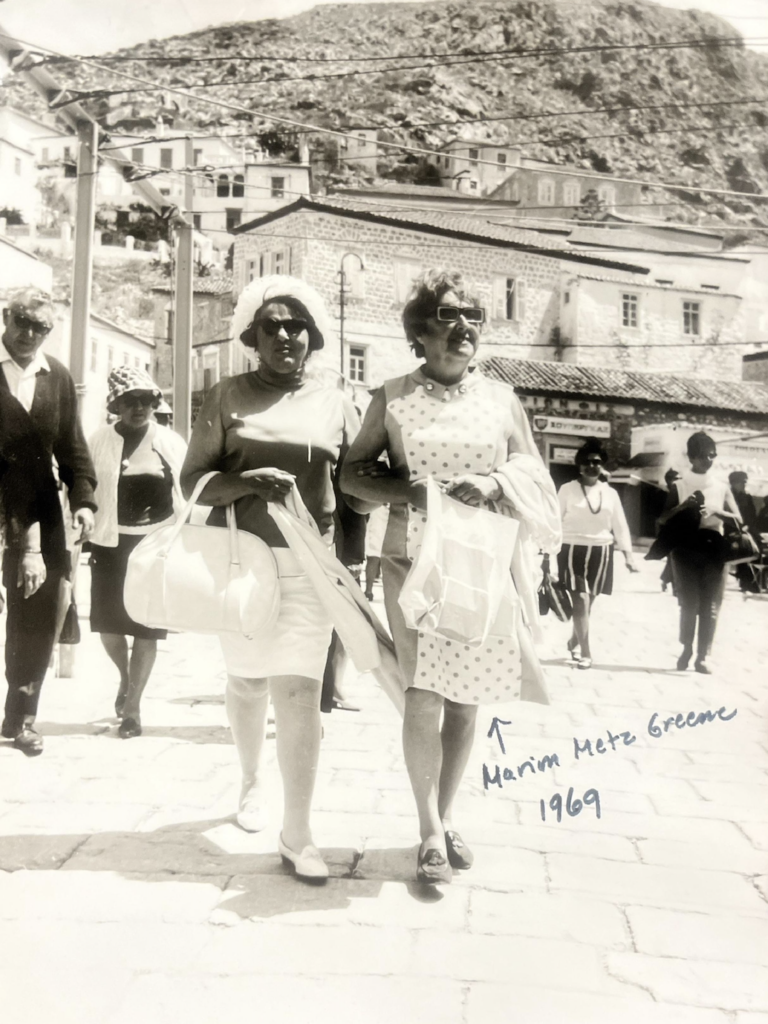
Though the Great Depression and World War II disrupted the American leisure industry, the postwar period saw an unprecedented rise in vacation travel. As many Jews ascended to middle-class status, families embraced sleepaway summer camps as well as domestic and international travel. Camper Lois Greene, whose family papers are held by the AJHS, spent summers at Camp Watitoh in the Berkshires, where she and other girls “concentrated on softball, basketball, and volleyball” to develop healthy lifestyles and learn lessons of teamwork and camaraderie. After the war, members of the Greene family enjoyed pleasant trips to Miami Beach, the Greek Isles, London, and Lisbon, Portugal, documenting their experiences in the process.
The Kurt K. Field Film Collection further demonstrates how ordinary Jewish families seized the expanding recreational opportunities of postwar America. Consisting of home movies, the collection captures family outings to the Bronx Zoo and the Atlantic City Boardwalk, as well as other moments of rest and relaxation. While these scenes might appear mundane, they offer an intimate glimpse into the comfort, affluence, and stability that Jewish families had long dreamed of. As barriers to recreation gradually diminished over time, Jews claimed their place within America’s evolving culture of leisure.
See the Kurt K. Field Film Collection
See the Metz-Greene-Stone Family Papers
Sources
- Phil Brown, “Catskill Culture: Personal Memories,” September 29, 1992, Records of the Catskills Institute (I-474), American Jewish Historical Society. ↩︎