Megan Scauri, AJHS: The World in Front of Me is presented by Jay and Gretchen Stein, with generous support from the Knapp Family Foundation, the Philip and Muriel Berman Foundation in Honor of Alan Bloch, Scott and Dianne Einhorn, The Karetsky Family, and Michael Koss.
In NYC? Visit the companion exhibition on view at the Center for Jewish History, now through May 2026.
Bill Aron: It’s a truism. I believe that when you face a life-threatening—or what you believe is a life-threatening occurrence, whether it’s illness, an accident, war, life becomes much more precious. It’s a difficult feeling to maintain, but, in the beginning, when you first encounter it, it’s omnipresent.
Host Ruth Ellenson: That’s Bill Aron, prolific photographer of Jewish life. I’m your host, writer Ruth Andrew Ellenson. I was fortunate to grow up being photographed by Bill, and welcomed the opportunity as an adult and a journalist to explore the legacy of his work, and the context in which it was created. Over the course of our series, we’ll travel with Bill across five decades, and hear his stories about documenting Jewish communities around the world.
From The American Jewish Historical Society, welcome to The World In Front of Me with Bill Aron. This is episode 6: Personal Transformations.
Motivated by his own cancer diagnosis, Bill created a body of work documenting the experiences of cancer survivors and the joyful aspects of what comes from very hard lessons in life, which you could also say might be part of the Jewish story.
Bill Aron: From an early age, I guess because of the early deaths of my parents, I’ve always felt that photography for me is a way to freeze time and to make the present last. I remember the summer my dad was taken to the hospital, and I was sent away to camp. And we were passing this hill, a very distant hill with a house on top of it. And I stared at that scene in my mind, wondering if I could fix it for my whole life. And I have no idea why I picked that scene, and I still remember it to this day. And I think—I think the idea of fixing something in the present so it lasts permanently is an important component of people who value photographs.
Ruth Ellenson: How old were you when your father passed?
Bill Aron: Nine.
Ruth Ellenson: You were nine years old. Wow, so young.
Bill Aron: My dad died while he was in the hospital waiting for surgery for lung cancer. And actually, the cause of death was an embolism, I found out later. And it was before they learned to put those special leggings on when you lie in bed for a long time.
So—when I was diagnosed with cancer, part of me felt like I was living out my destiny, and part of me was just scared to death. It’s an interesting thing about being diagnosed with cancer. It becomes a very lonely experience because you’re in a room, and all you can think about is the fact that you have cancer and other people don’t.
Ruth Ellenson: How old were you when you were diagnosed?
Bill Aron: Uh, fifty.
Ruth Ellenson: And how old are you now?
Bill Aron: Eighty-four.
Ruth Ellenson: Eighty-four, so you are now a cancer survivor of thirty-four years. It’s remarkable.
It’s not always easy to talk about publicly. Can you talk about, once you got your cancer diagnosis, what made you decide that you were going to be open with it?
Bill Aron: Susan Sontag writes about this, the defining characteristic of it is loneliness. In the beginning, you can be in a room filled with cancer people, but you feel like you are all alone. You’re cut off from the rest of the world. And many people who were cancer survivors helped me get over that. Every night, I was on the phone with somebody else who had survived cancer.
And then, after my initial surgery, I started to go to a support group in Los Angeles. It was called the Cancer Support Community. And there, I met people who said that cancer was the best thing that ever happened to them. And I just—the first time I heard that, it made me flip. I mean, I just said, “You got to be kidding. This is the worst thing that ever happened to me.”
Ruth Ellenson: How did your life change because of the diagnosis?
Bill Aron: …people talked about how their life changed and I’m thinking, “Well, this person got divorced. This person changed careers.” You know—I looked at the different things people had done. And I thought, I don’t want to do any of those, but I want this experience to mean something.
And I was seeing an extremely gifted therapist who helped me with all these issues. And one day, she said, “Look, you’ve just photographed a hundred Holocaust survivors. Why don’t you do the same with cancer survivors and get their stories down?” And I thought, “Wow, that’s—that’s a sign that—that’s a sign that I need to do something with my photography.”
Ruth Ellenson: When you approached the cancer survivors about being photographed, and you explained that the attitude was going to be like, “Why was this a good experience in your life”—is it fair to characterize it as good or transformative?
Bill Aron: Probably transformative is better. Universally, people began seeing things in their lives—good things that they had never either noticed or never appreciated. And there was also heartbreaking things. Like, they get diagnosed and a spouse or a boyfriend, or girlfriend leaves them because they can’t cope with it. But even so, they managed to grow with it or grow from the experience, however tragic.
I see it – that all these people are my teachers. Yes, everyone who articulated what the experience meant to them, that articulation brought home thoughts to me that—that I also felt.
Ruth Ellenson: When you had that experience of talking to people after your cancer diagnosis and having it be so impactful, was that the first time you had ever experienced a community outside of the Jewish one that you felt embraced by?
Bill Aron: Yeah, I suppose so. I mean, it’s the old Woody Allen joke that you join the club. (laughs)
Ruth Ellenson: But you wouldn’t want to be a member of, right? That’s very funny.
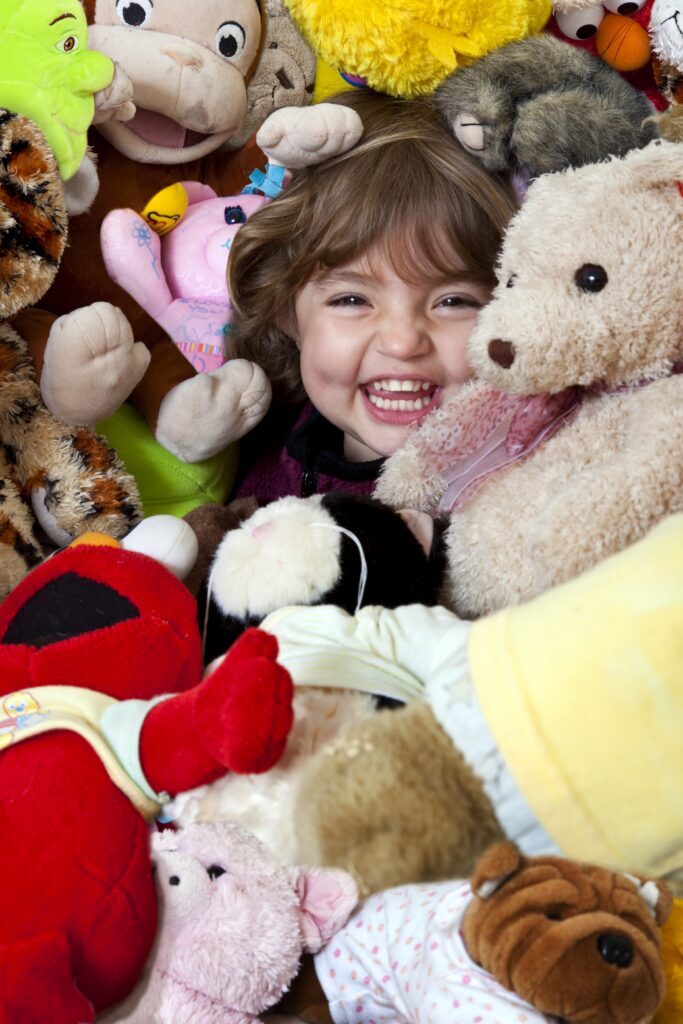
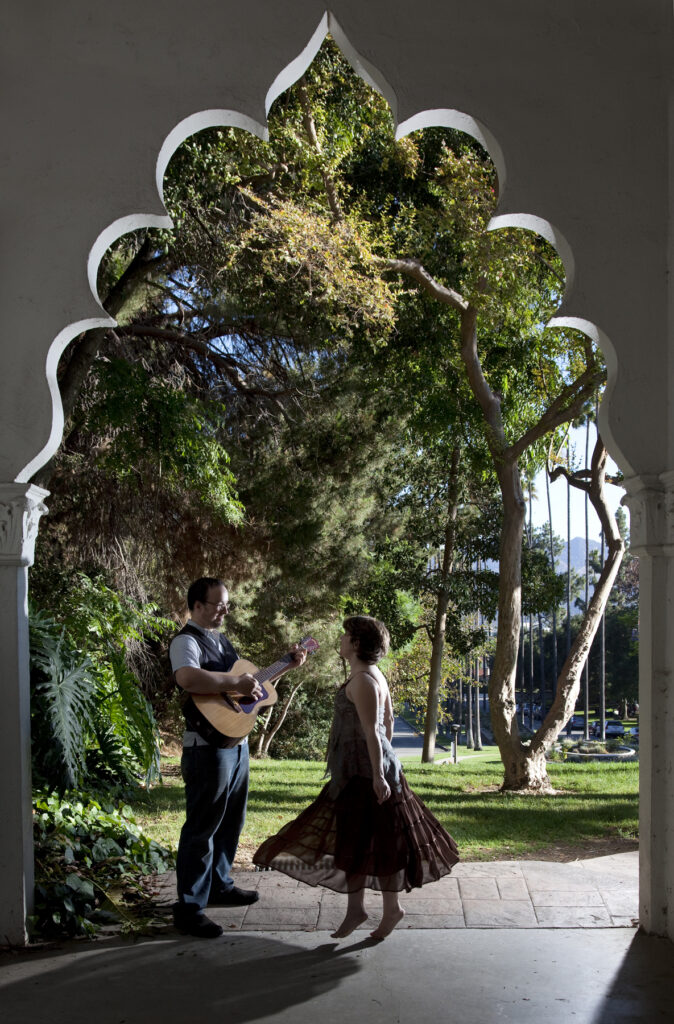
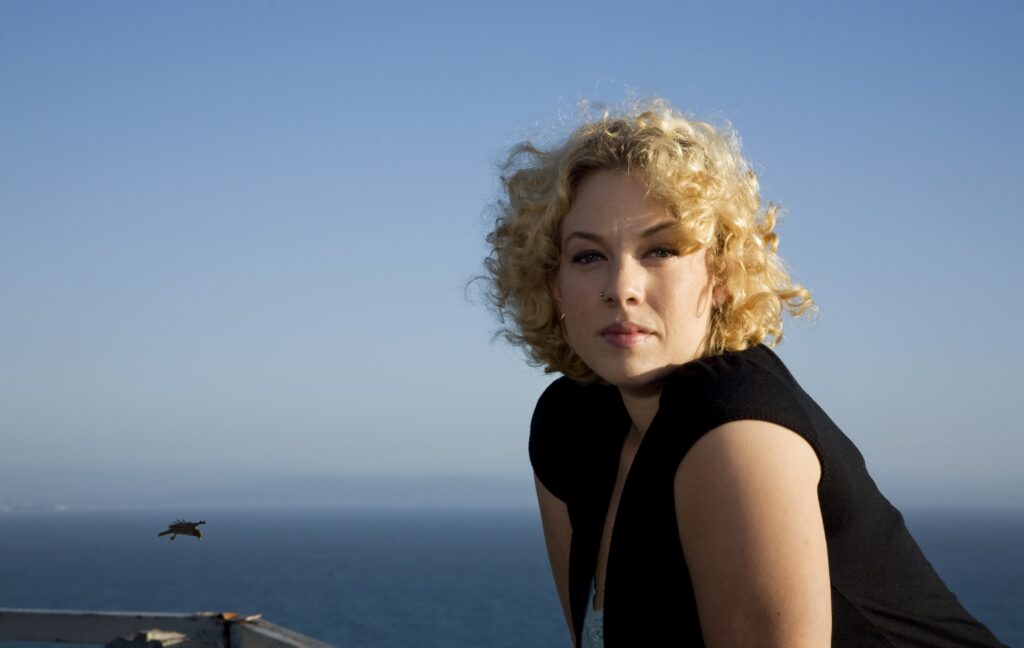
Host Ruth Ellenson: Bill went on to photograph 120 cancer survivors. He compiled their stories and portraits into a celebration of life, a book called, New Beginnings: The Triumphs of 120 Cancer Survivors.
Ruth Ellenson: In the New Beginnings project, you talked about how your approach towards portraiture evolved from being more observant to more interactive. Was that a choice you made, or was it just a natural reaction to photographing people who were sick?
Bill Aron: My mission was to show that these people went on to lead meaningful, successful, creative lives. And I began to notice that the photographs I was doing, the ones I liked the best were the ones where I was interacting with the people, and we together decided how to photograph them and then my making suggestions during the session about doing things and just joking around with them, humoring them, maybe also having a cup of tea beforehand, so we got to know each other.
Ruth Ellenson: Were there any children that you photographed that were particularly resonant experiences?
Bill Aron: Oh, all of them. All of the children were just heartbreaking. There was one where the girl used to sing to her parents when she had no hair, and her parents would cry. She would make up little ditties like—and this girl maybe eight years old, seven years old singing, “Don’t you wish your girlfriend was bald like me?” Or—you know—in this little singsong thing. There was another where a boy was in the hospital for his—Children’s Hospital for his treatments, and his parents came to visit him. And they couldn’t find him, and they found—the other kids in the ward said he was in the chapel. And they walked in on him saying a prayer out loud that he wished God would help his parents because they seem so sad about his being ill. And, oh, God, I can feel—I—I can feel the emotion of this when I first heard it. And the parents said, “You know, we had never been to church. We had never been religious. We weren’t raised in it, but after that day, we went and joined the local church. And we now volunteer there. We teach in the school, and we go every week.” There was another little girl who used to go around to all the other kids in the ward that she was with and try and get them out of bed to play with her. She was called the social butterfly. And the doctor was doing his rounds one day and came across her. And she was jumping up and down on the bed. And he turned to the nurses and said, “Are you sure we’re giving this kid chemo?” Just unbelievable stories, one after the other, and each one brings tears.
Ruth Ellenson: There were stories that you heard that resonated with you in different capacities, or that caused you to have a new perspective on your own diagnosis?
Bill Aron: I think the most inspiring one was Ed Feinstein, Rabbi Ed Feinstein, who was thirty-nine when he was diagnosed. And he had several recurrences, but he’s now in his sixties and doing well.
He talked about angels are not figures in gossamer cloud robes, but they’re everyday people who come and that hold their—hold your hand, who come and show you that they care about you, who help you through a particular experience that you’re having trouble with. And he said that, he came to believe that the goal of his life should be to be one of those angels. And that was an articulation of something I strive for. I don’t always succeed, but at least I do strive to be that way for other people that I know and meet along the way.
Ruth Ellenson: What a—what a wonderfully healing idea, especially in the context of a devastating disease. Can you tell me about that experience and how you decided to photograph him?
Bill Aron: Ed Feinstein is one of the most articulate people I have ever met.
Ruth Ellenson: And you know a lot of rabbis, so that’s saying something.
Bill Aron: I know a lot of rabbis, but they’re not all articulate. (laughs) And they all don’t think with the depth of feeling and emotion that Ed does. But whenever I do see him, he comes at me with, “How’s this? How’s that?” He remembers every detail about my life. He’s just one of the most incredible—like your dad, like Rabbi David Ellenson. One of—two of the most incredible people I have known.
Ruth Ellenson: Was there a type of wisdom about the cancer born of his Jewish experience or knowledge that was different than the other people that you photographed?
Bill Aron: He was the only person that separated healing from cure, which I thought was a brilliant way to think about it. How do you heal emotionally from this experience, whether or not, irrespective of the fact as to whether you’ve been cured? How do you heal? Because that should be your purpose. Cure, you have no control over, but healing, you do have a control over. So, the way of healing is to balance the loss and fear and rage with a sense of gratitude. When they’re balanced, we are whole, whether or not we are cured.
Ruth Ellenson: How did your Judaism play a role in how you navigated cancer—or did it?
Bill Aron: I haven’t had much luck with spirituality. (laughs)
Ruth Ellenson: Fair enough.
Bill Aron: Religion has always been for me a feeling, and that’s why I like the music of it.
You know, philosophers have often long debated the notion of time. Time is really a construct that we made up to mark how our life passes. And they argue that there really is no present because as soon as we conceive of the present, it’s gone. It’s past. The present becomes the past in less than a fraction of a second. And photography, photographs, are a way to prolong the present.
Ruth Ellenson: Wow. I have to say that is a really powerful reflection on it. And as someone who has been the subject of your photographs, that’s absolutely true. I can go back and see these moments in time preserved, and all of the context and all of the memories come flooding back.
Bill Aron: Yeah, yeah.
Ruth Ellenson: Do you have a photograph of your parents that is—one that you felt captured them in particular, or that fleeting moment of your family and your childhood before they passed?
Bill Aron: I have a photograph of the four of us standing in front of our house. A neighbor must have taken it because it’s of—my sister, myself, and my two parents are in the photograph. And it’s hanging in my hallway.
Ruth Ellenson: How old are you in the picture with your family?
Bill Aron: I think I’m about six years old— (overlap) I guess.
Ruth Ellenson: Do you have any memories of it?
Bill Aron: I do, I remember. Not so much the details, but I remember my dad’s hat. I remember his overcoat. I remember mugging for the camera. Over the years, even after my dad died, many photographs were taken in front of our house on the lawn.
Host Ruth Ellenson: Now with a family of his own, Bill has been making memories and capturing those moments for decades.
Bill Aron: Photographing family is the worst.
Ruth Ellenson: You have two sons, Hillel and Jesse.
Bill Aron: And my wife, Isa. It is so hard to give directions in a way that they don’t take offense. If somebody doesn’t know you, and they take offense, they just bury it and even friends, or they might make a joke about it, but family just get angry. (laughs)
Ruth Ellenson: Do you have a photograph you’ve taken of one of your sons or of your wife that is a particular favorite?
Bill Aron: Yes, one time at Stephen S. Wise, we were there for something to do with—when Isa was teaching re—her school of education. And I’d set up my lights in front of their outdoor synagogue, and they have this beautiful sort of Torah-like sculpture. And I asked Isa. I said, Come on over and—so I can do a test to make sure everything’s right. And I just shot a couple frames, and she had the most relaxed expression that’s ever in any one of my photographs.
Ruth Ellenson: So, it’s—that the cobbler’s children have no shoes. Your family does not like being the subject of your photographs.
Bill Aron: Yeah, the kids, up to a certain age, were great subjects. And then they -they’re good now. Once or twice a year, we get together, everybody who’s in the family, and I have a—my—what used to be my darkroom is now a small shooting studio. And we do a family photograph in which I set it—the camera up on a timer and run in. And we just did that last night. The kids were over for my birthday. And we had Henri press the shutter release and then run into the photograph. And that was—that was nice.
Ruth Ellenson: Generation to generation.
Bill Aron: Yeah. I think it’s that concept of keeping things from disappearing, keeping things in the present, making the present last. And I’ve always—I’ve always loved that about photography. And looking back on some of my early photographs, I think, Wow, I did that—then? And it keeps it alive for me.
Ruth Ellenson: Well, I will say, as someone who has known you over the course of most of my life, having you photograph and document all these different stages has just been an unbelievable gift, and I’m very grateful for it.
Bill Aron: It’s been a privilege and an honor, really.
Ruth Ellenson: That’s very sweet.
Audio: DSLR camera shutter.
Host Ruth Ellenson: From the American Jewish Historical Society, I’m Ruth Andrew Ellenson. This episode was written by Rebeca Miller and produced by Sarah Hopley. Our executive producer is Gemma R. Birnbaum. Recording, sound design, and mixing were done at Sound Lounge and Studio Awesome.
For episode transcripts, exhibition information, additional resources, and links to a selection of Bill’s photographs that inspired this episode, please visit ajhs.org/bill. If you enjoyed this episode, please rate and review us, which helps others discover our series.